Comprehending the Basics of Firm Information
When going over firm information, we explore the myriad of information and data that specify a business entity's legal and operational structure. At its core, this info envelops every little thing from the corporation's founding documents, such as write-ups of unification, to financial records, shareholder data, and compliance with regulative bodies. Corporations, by lawful interpretation, are separate entities from their creators and investors, having legal rights to get in contracts, take legal action against, and be sued. This splitting up is important as it limits the individual responsibility of the people entailed and permits the firm to be dealt with as a taxed entity. Company governance is another essential facet covered under business details, detailing just how the entity is managed and directed. This includes the duties and responsibilities of execs and board participants, whose choices can significantly influence the corporation's direction and integrity. Efficient administration is seen as a trademark of a well-run company and is closely kept track of by investors and regulatory agencies alike.
Furthermore, corporation information is not just internal but also encompasses how the corporation engages with the exterior atmosphere. This includes compliance with regional, national, and global regulations, which can impact everything from tax obligation commitments to labor methods. Openness in financial reporting and moral company techniques are significantly demanded by customers, investors, and governments alike. Following global economic scandals, the stability of business information has actually never ever been more looked at. Innovation plays a vital function in just how this info is handled and shared. Modern companies rely on innovative Business Resource Preparation (ERP) and Customer Relationship Administration (CRM) systems to track and handle their operations efficiently. These systems assist make certain that the substantial quantities of data a company produces are taken care of securely and in conformity with the law, making sure that stakeholders have accessibility to timely and accurate information. Comprehending the breadth and deepness of firm information is vital for any person involved in the business world, from capitalists and employees to regulators and the public.
The Structure and Features of Modern Firms
Modern companies are complex entities that operate within equally complicated lawful and financial frameworks. These companies differ greatly in structure, scope, and dimension, however their core functions and functional mechanisms share typical motifs. At their heart, companies are made to organize sources— financial, human, and product— to attain specific objectives, mostly producing revenue for their investors. A regular corporate structure features a board of directors at the top, in charge of overarching methods and governance. Beneath the board, the executive management group, consisting of the CEO, CFO, and COO, handles the daily procedures and implementation of firm plans. These leaders have to balance the rate of interests of various stakeholders including shareholders, staff members, consumers, and often the public at big. This harmonizing act requires a clear tactical vision and strong operational policies, making sure that the firm follows legal requirements and honest techniques while seeking its profit objectives. Firms likewise play an essential duty in innovation, driving r & d initiatives that result in new items and solutions. Through these activities, they not just enhance their one-upmanship yet additionally add to economic growth and development, strengthening their indispensable function in modern economic situations.
Structural Characteristics and Governance in Modern Firms
The architectural company of a corporation considerably impacts its operational effectiveness and governance mechanisms. Commonly structured via an ordered version, contemporary companies are defined right into numerous departments each handling specific operational aspects such as financing, marketing, human resources, and IT. This partition assists in cultivating specific competence while making sure that the functional intricacies of each department are attended to properly. At the top of this power structure sits the board of supervisors, a body chosen by shareholders, which holds the best decision-making power and oversees the broad critical objectives of the company. The board selects the chief executive officer and occasionally other top-level police officers that jointly birth the duty of daily administration and implementation of the board's strategies. This top-down strategy in administration allows a clear delineation of responsibilities and roles, which is critical for huge companies. However, this structure additionally poses difficulties, especially in terms of dexterity and responsiveness, where decisions require to filter via numerous layers prior to implementation. Additionally, as corporations increase worldwide, taking care of a diverse workforce and incorporating a wide array of social norms and service techniques add complexity to company administration. Regulative compliance across different territories can also stress typical business frameworks, necessitating even more dynamic governance versions that can adjust to rapid modifications in the international organization setting. Thus, while click the up coming web page provide several advantages in terms of clear management and responsibility, they must progress to deal with the boosting complexity and rate of international organization procedures.
Strategic Workflow and Global Reach of Multinational Firms
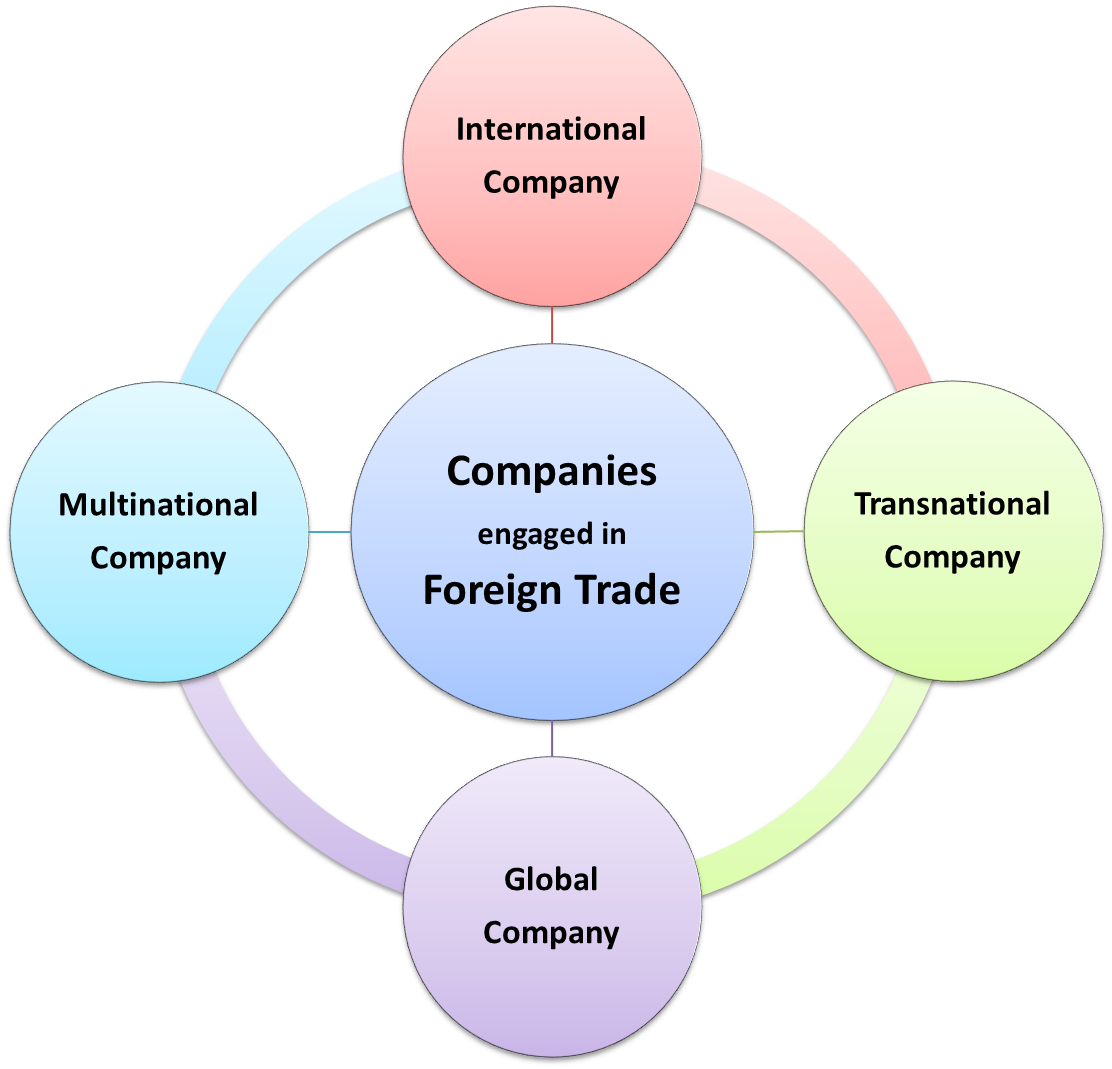
As international economic landscapes develop, multinational firms (MNCs) are coming to be increasingly instrumental fit international profession and commerce. These entities, which operate facilities and deliver services in numerous countries, have actually developed advanced strategies to maximize their international visibility and functional efficiency. For example, they frequently utilize economic climates of range to enhance and reduce expenses earnings, enabling them to contend better on the international stage. This is especially apparent in fields such as manufacturing, where production can be strategically based in areas that use cost benefits, such as lower labor costs or desirable regulatory environments. MNCs are proficient at navigating the complexities of operating across varied lawful and social landscapes. They utilize specialized groups that concentrate on compliance, governing affairs, and cultural assimilation, making sure that the corporation stays sensitive to local norms while seeking its corporate objectives. Modern technology likewise plays an essential duty, enabling these firms to keep smooth communication and functional sychronisation throughout continents. The combination of innovative innovations, such as AI and IoT, into their functional structure not just improves performance but likewise offers them with a considerable affordable side by making it possible for real-time decision-making and data-driven management approaches. Furthermore, cleaning company description example are typically at the center of advancement, investing heavily in research and growth to stay in advance of market patterns and to adjust to changing customer choices and technological developments. This constant investment in technology fuels their long-term sustainability and success, making them essential gamers in the global economic situation.
Discovering the Function of Company Administration in Company Success
In the world of modern company, the importance of efficient corporate administration can not be overemphasized. Operating as apple inc in glendale california for guiding and managing companies, corporate governance entails a complex mix of policies, guidelines, legislations, and ethical guidelines that establish how a corporation is provided and managed. At its core, it aims to stabilize the interests of a company's several stakeholders, consisting of shareholders, monitoring, clients, suppliers, sponsors, government, and the neighborhood. With worldwide markets coming to be increasingly interconnected and competitive, the need for robust governance systems has actually intensified, as these structures not just guide company methods and company operations however also shape public perception and count on service enterprises. Well-implemented business administration adds considerably to sustainability and long-term value creation by cultivating clear decision-making procedures and making sure compliance with ethical and legal requirements. This, subsequently, improves financier self-confidence and can bring about extra secure investments. Conversely, inadequate business administration can bring about mismanagement, corruption, and company scandals, which usually lead to financial losses, lawful fines, and a ruined reputation that can severely affect the company's standing and market worth. As companies browse via numerous obstacles, including technical changes, environmental issues, and shifting regulative landscapes, the function of administration ends up being a lot more crucial in guaranteeing adaptability, accountability, and alignment with the wider objectives of lasting development.